The Batch-Cooking System That Actually Makes Volume Eating Sustainable
Quick Answer: Sustainable volume eating relies on batch-cooking a few high-volume, low-calorie-density base components once or twice a week — roasted vegetables, broth-based soups, air-popped grains — then assembling different meals from those bases daily, rather than cooking each meal from scratch.
Volume eating sounds great in theory until you’re standing in the kitchen at 6pm facing a mountain of vegetables to chop from zero. The fix isn’t more willpower — it’s a better system.
What actually makes volume eating sustainable long-term?
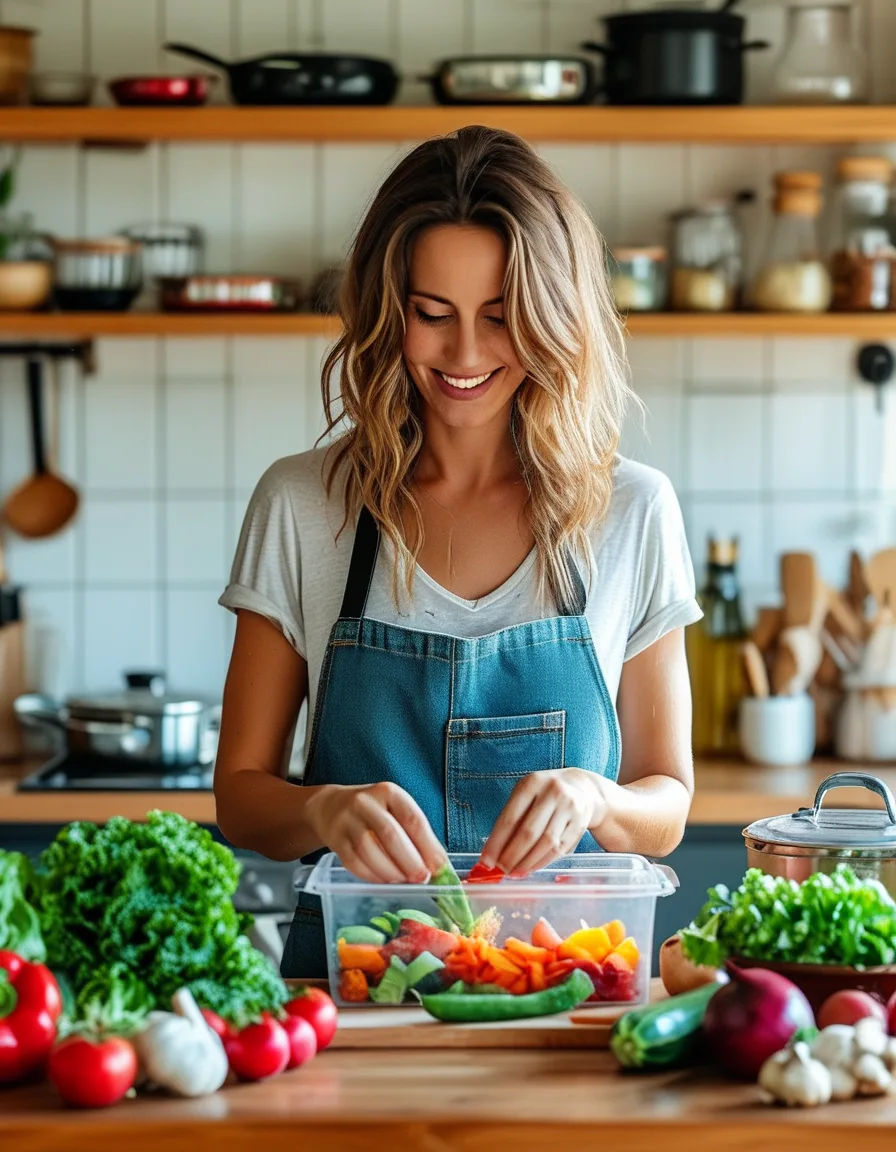
Batching a small set of reusable base components — not full meals — is the key shift. Roast two sheet pans of mixed vegetables, cook a big pot of broth-based soup base, and prep a grain or legume in bulk once, and you have building blocks for 4-5 different meals across the week.
This avoids the two failure points that kill volume eating habits: daily chopping fatigue and boredom from eating the exact same meal repeated.
Which foods are actually worth batching for volume eating?
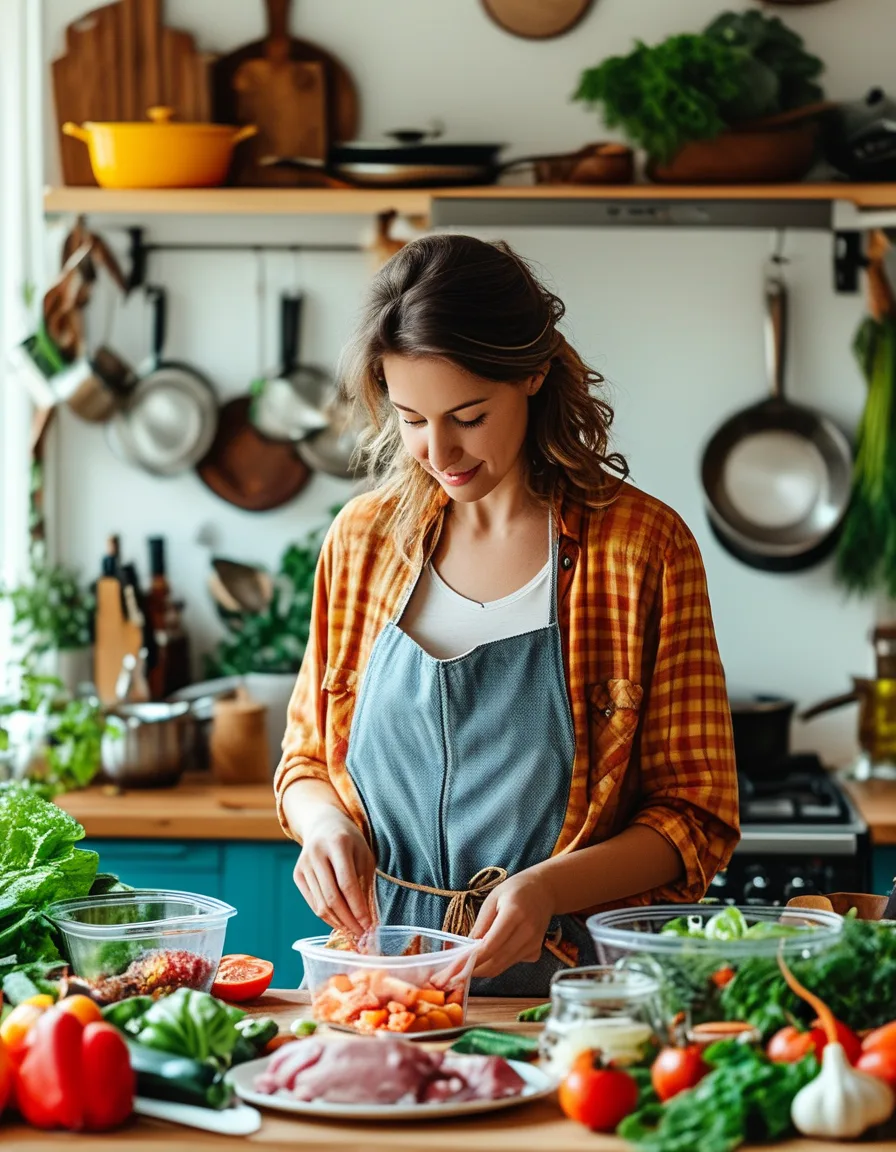
Prioritize ingredients with naturally low calorie density and high water or fiber content: broth-based soups, roasted or steamed non-starchy vegetables, air-fried options, and berries or melon prepped for easy snacking.
Avoid batching dense, calorie-heavy staples like rice or pasta in the same volume-focused batch — those work better added fresh in controlled portions per meal, since bulk-prepping them can make it easy to over-serve without noticing.
How do you keep batch-prepped food from getting boring?
Vary the sauce, seasoning, or protein, not the base vegetables themselves — one batch of roasted vegetables can become a stir-fry, a grain bowl, a soup add-in, and a wrap filling across four different days with four different flavor profiles.
Keeping 2-3 low-calorie sauce or seasoning options on hand (a vinegar-based dressing, a spice blend, a light sauce) does more for sustainability than varying the vegetables themselves.
What Nobody Tells You About Batch-Cooking Fatigue
Here’s the part most meal-prep guides skip: prepping everything in one massive Sunday session is a common reason people quit within a month. A 3-hour prep marathon feels unsustainable fast, even if the eating plan itself is working.
Splitting prep into two shorter sessions — one mid-week, one weekend — spreads the time cost and keeps ingredients fresher through the week, which matters more for high-water-content volume foods than for dense, shelf-stable staples.
FAQ: Volume Eating Meal Prep Questions, Answered
How long does batch-prepped volume food actually last in the fridge?
Most roasted vegetables and broth-based soups keep well for 4-5 days refrigerated — beyond that, freezing portions extends usability without the daily prep burden.
Is volume eating meal prep more expensive than regular meal prep?
Usually not — vegetables and broths are typically less expensive per meal than dense, processed alternatives, though buying in bulk requires some upfront planning.
Can you batch-cook volume eating meals for a family, not just yourself?
Yes — the base-component approach scales easily; just increase batch size and let each family member customize toppings and sauces to their own preference.
TL;DR:
- Batch reusable base components (roasted veg, broth soups, grains), not full meals
- Prioritize low-density, high-water/fiber ingredients for the batched portion specifically
- Vary sauce and protein to keep the same base from feeling repetitive
- Split prep into two shorter sessions instead of one exhausting marathon
The system, not the willpower, is what makes volume eating stick past week two.
Keep Reading
This article is for general informational purposes only and is not medical advice. Always consult a qualified health professional for guidance specific to you.