Volume Eating Meals to Stay Full (Big Plates, Sensible Portions)
Volume eating is the simple idea that a big, satisfying plate of food beats a small one — by leaning on foods that take up space and fill you up. Here is why it works, the meals that fill you up, and how to keep it balanced.
Why Volume Eating Works
Fullness through volume: the the-big-satisfying-plates (the volume eating giving big, satisfying plates from the guide logic — the big-plates), the the-high-volume-low-density-foods (the leaning on foods high in volume and water content from the guide logic — the high-volume-foods), the the-fullness-and-satiety (the volume and fiber supporting fullness from the guide logic — the fullness), the the-satisfying-not-restrictive (the volume eating feeling satisfying rather than restrictive from the guide logic — the not-restrictive), the the-sustainable-approach (the volume eating being sustainable because you feel full from the guide logic — the sustainable), and the reframe (the volume eating as the simple idea that a big, satisfying plate beats a small one — leaning on foods that take up space and fill you up).
The Meals That Fill You Up
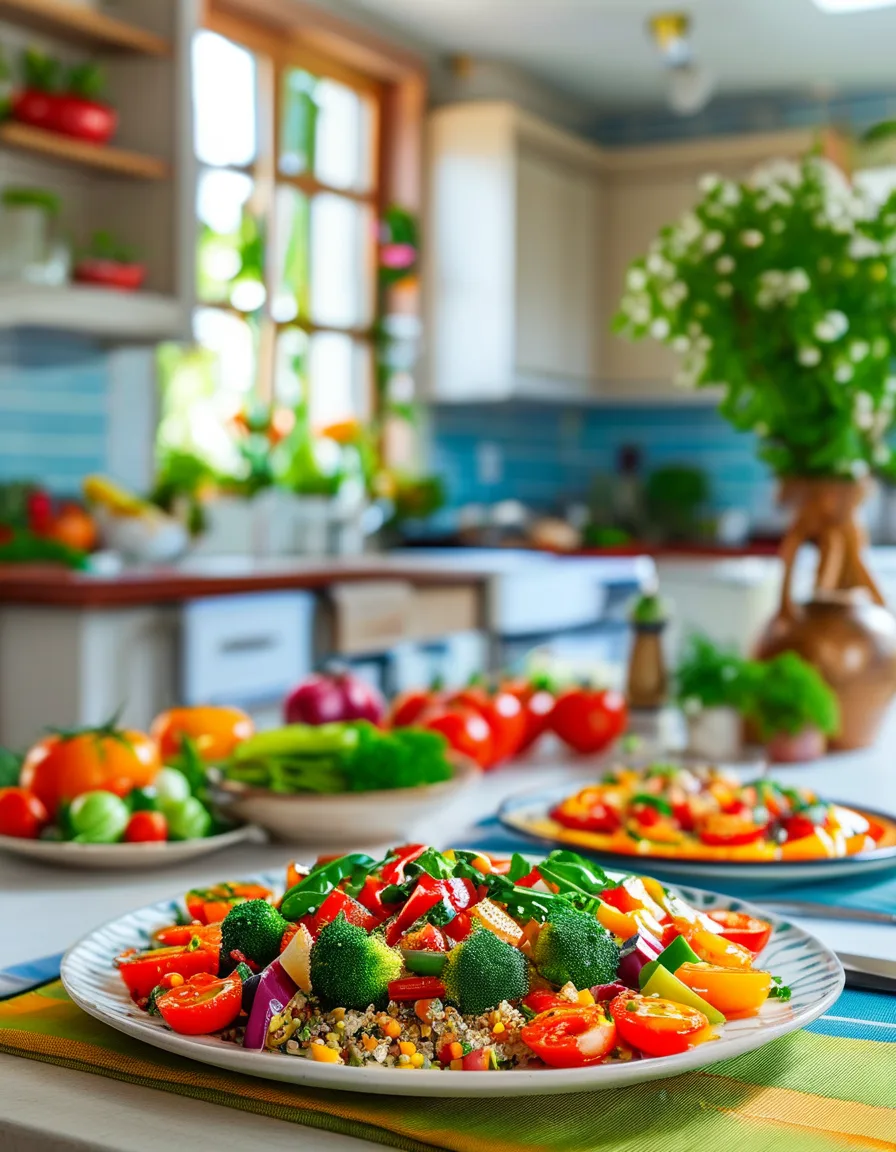
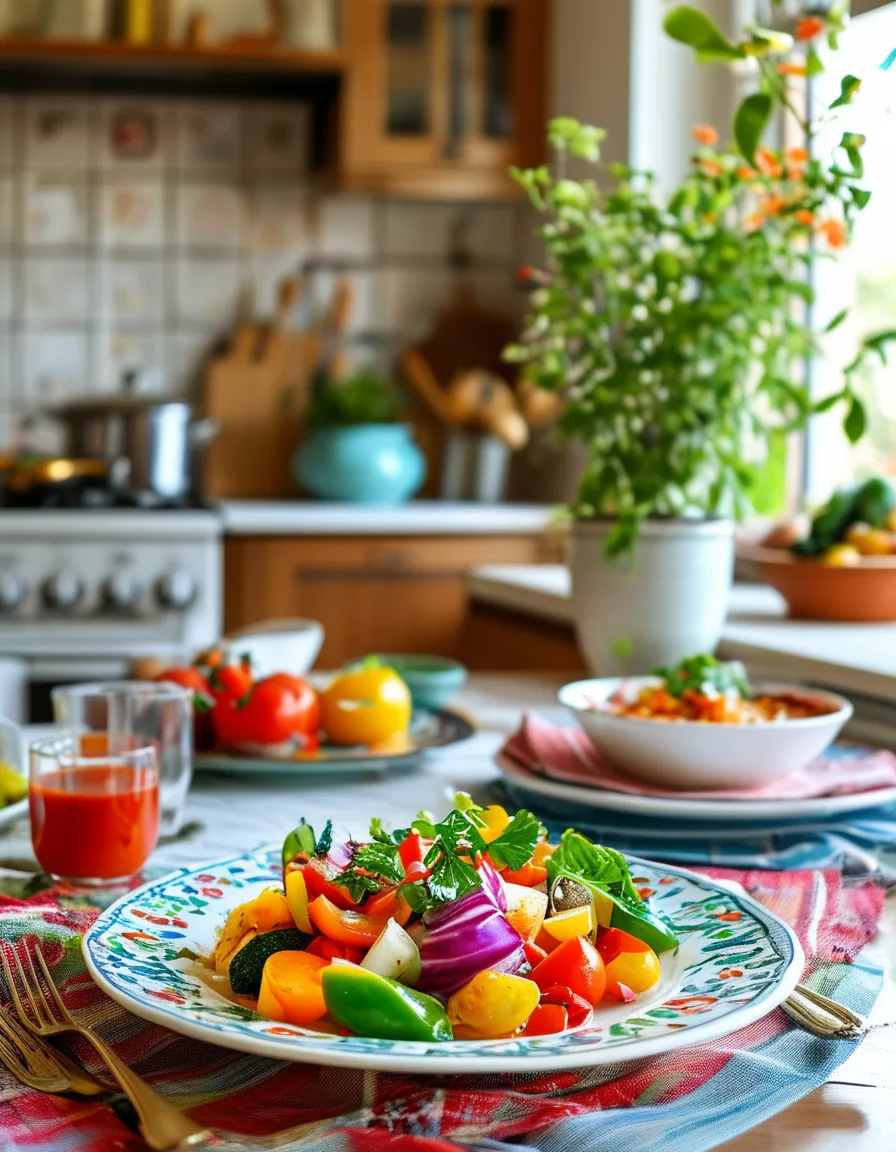
High-volume meals: the the-big-vegetable-based-bowls (the big vegetable-heavy bowls and salads from the guide logic — the veggie-bowls), the the-soups-and-broths (the soups and broths that fill you up from the guide logic — the soups), the the-protein-plus-volume (the a protein source alongside high-volume vegetables from the guide logic — the protein-plus-volume), the the-stir-fries-with-lots-of-veg (the vegetable-heavy stir-fries from the guide logic — the stir-fries), the the-fruit-and-yogurt-bowls (the fruit and yogurt bowls for volume and protein from the guide logic — the fruit-bowls), the the-whole-grains-and-legumes (the whole grains and legumes for fiber and fullness from the guide logic — the grains-and-legumes), the the-water-rich-foods (the water-rich foods that add volume from the guide logic — the water-rich), and the the-fill-half-the-plate-with-veg (the filling half the plate with vegetables from the guide logic — the half-plate-veg).
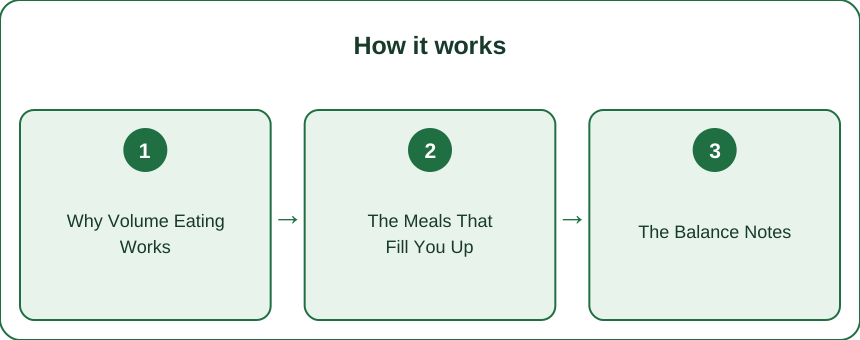
The Balance Notes
Keeping it healthy: the the-include-enough-protein (the including adequate protein in every meal from the guide logic — the enough-protein), the the-do-not-fear-fats (the including healthy fats rather than avoiding them from the guide logic — the include-fats), the the-adequate-nutrition (the ensuring adequate overall nutrition, not just volume from the guide logic — the adequate-nutrition), the the-eat-enough (the eating enough overall, not under-eating from the guide logic — the eat-enough), the the-enjoy-your-food (the enjoying what you eat, not just filling up from the guide logic — the enjoy-it), the the-balance-over-extremes (the balance over extreme volume approaches from the guide logic — the balance-over-extremes), the the-sustainable-habits (the sustainable eating habits over rules from the guide logic — the sustainable-habits), and the frame (the volume eating as big, satisfying plates built on vegetables, soups and water-rich foods — balanced with enough protein, fats and overall nutrition — big plates, sensible portions. Build meals on vegetables, soups and water-rich foods, include enough protein and healthy fats, and keep it balanced and enjoyable).
Volume eating is the simple idea that a big, satisfying plate of food beats a small one — by leaning on foods that take up space and fill you up. It works because it gives big satisfying plates, uses high-volume foods, supports fullness and satiety, feels satisfying rather than restrictive, and is sustainable. The meals that fill you up: big vegetable-based bowls, soups and broths, protein plus volume, stir-fries with lots of veg, fruit and yogurt bowls, whole grains and legumes, water-rich foods, and filling half the plate with veg. Keep it balanced by including enough protein, not fearing fats, ensuring adequate nutrition, eating enough, enjoying your food, favoring balance over extremes, and building sustainable habits. Big plates, sensible portions.
Keep Reading
This article is for general informational purposes only and is not medical advice. Always consult a qualified health professional for guidance specific to you.